
Maritime Law // Commercial Ship Operations
Time Charter vs Bareboat Charter: Differences, Legal Duties, Cost Allocation, and BIMCO Contracts
A comprehensive legal and commercial comparison between Time Charter parties and Bareboat (Demise) Charter agreements. Examining the division of commercial and nautical command, cost segregation between OPEX and voyage expenses, the doctrine of ownership pro hac vice, off-hire mechanisms, and standard BIMCO contract forms.
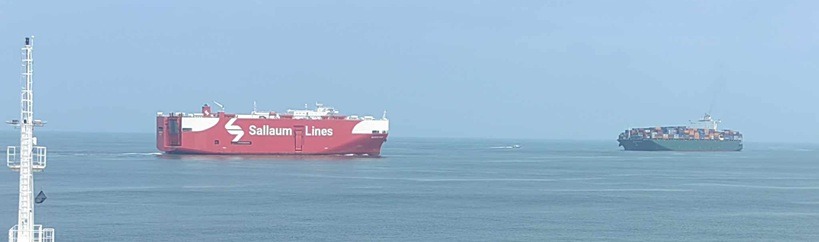
Industry statistics demonstrate that Time Charters account for approximately 40% of all dry bulk, tanker, and container chartering agreements. Charterers favor Time Charters because they offer logistical flexibility and financial predictability without requiring technical management infrastructure. Conversely, Bareboat Charters grant the charterer total operational sovereignty, essentially transferring the status of ownership to the charterer for the duration of the charter period.
1. Legal Concepts and Fundamental Definitions
A Charter Party is a legally binding contract governing the commercial hire of a vessel. The fundamental distinction between leasing contracts centers on vessel possession and master-crew subordination:
An agreement whereby the registered shipowner places a fully equipped, fully crewed, and seaworthy vessel at the disposal of the charterer for a designated duration (ranging from a single trip to several years) in exchange for daily hire payments (Hire). The shipowner retains technical management, crew employment, and navigational custody, while the charterer directs the commercial employment—selecting ports, sailing routes, and cargo types.
A lease agreement transferring the unequipped, uncrewed vessel (the bare hull) into the exclusive possession and operational control of the charterer. The charterer acts as the temporary owner, employing the Master and crew, purchasing all bunkers and supplies, and maintaining hull, machinery, and statutory compliance under relevant international standards such as the MARPOL Convention and international safety regulations.
Under English and American maritime common law, a bareboat charterer is recognized as the owner pro hac vice (“for this occasion”). Because legal possession and command pass entirely to the charterer, the Master and crew are direct employees of the charterer. Consequently, third-party maritime claims—including cargo damage, crew wage defaults, or collision liabilities—attach to the bareboat charterer rather than the underlying registered owner.
2. Division of Duties, Liabilities, and Cost Allocation
The functional boundary between charter forms is defined by the allocation of Operating Expenses (OPEX), Voyage Expenses, and Capital Expenditures (CAPEX):
| Operational Item / Expense | Time Charter | Bareboat Charter (Demise) |
|---|---|---|
| Crew Manning & Employment | Shipowner (responsible under the STCW Convention). | Charterer (assumes full employer obligations). |
| Crew Wages & Provisions | Shipowner (factored into the agreed daily hire rate). | Charterer (direct operational cost). |
| Bunkers (Fuel Oil & Marine Gas Oil) | Charterer (surveyed and settled at On/Off-Hire delivery). | Charterer (procures and finances all fuels). |
| Port Dues, Tugs & Pilotage | Charterer (including marine pilotage and agency fees). | Charterer. |
| Technical Maintenance & Drydocking | Shipowner (duty to maintain continuous seaworthiness). | Charterer (funds all scheduled drydocks and overhauls). |
| Hull & Machinery (H&M) Insurance | Shipowner. | Charterer (procures policies naming the owner as beneficiary). |
| Protection & Indemnity (P&I) Club | Shipowner covers vessel P&I; charterer holds charterer’s liability cover. | Charterer (enters vessel in P&I club as full owner). |
| Statutory Certificates & Class Surveys | Maintaining statutory ship certificates is the Shipowner’s obligation. | Class surveys and ISM/ISPS audits are the Charterer’s duty. |
| Hire Remuneration Structure | Higher daily rate reflecting capital depreciation and full OPEX. | Lower net daily hire rate (pure capital/asset financing fee). |
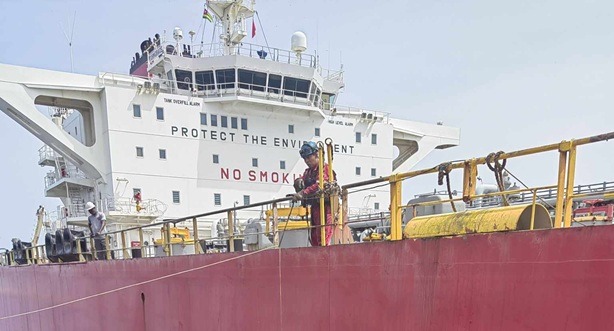
3. Standard BIMCO Contracts and the Off-Hire Mechanism
In commercial practice, charter parties rely on standardized contracts created by international bodies such as BIMCO and the Association of Ship Brokers & Agents (ASBA):
- NYPE (New York Produce Exchange Form): The globally dominant proforma for dry cargo and bulk time charters (editions NYPE 93 and NYPE 2015);
- BALTIME: BIMCO’s traditional time charter form, historically drafted with strong owner-protective terms;
- BARECON (BARECON 2001 / BARECON 2017): The international benchmark for bareboat charters, containing specialized clauses for temporary flag changes, statutory insurance mandates, and lease-purchase options.
A foundational provision of time charter parties (such as Clause 17 in NYPE) is the Off-Hire Clause. If vessel trading is disrupted due to main engine breakdowns, owner crew deficiencies, drydocking, hull damage, or Port State Control detentions, hire payment is suspended for the duration of lost operational time. Furthermore, the owner must compensate the charterer for bunkers consumed by generators during the off-hire period. Under a Bareboat Charter, no off-hire clause exists: the charterer must continue paying capital hire to the financiers regardless of breakdowns or shipyard delays.
Unlike voyage charters where terminal waiting time is regulated through Demurrage, Laytime, and Despatch, time charterers absorb port congestion risks directly: daily hire continues to accrue while the vessel waits at anchor.
4. Bareboat Chartering in Asset Financing and Dual Registration
Beyond everyday transport operations, Bareboat Charters serve as a critical instrument in structured ship financing and international flag registration:

Parallel Registration (Flagging Out):
Maritime law permits dual flag status under a bareboat charter (Bareboat Charter Registration). The underlying property title and mortgages remain registered in the vessel’s primary home port (Underlying Registry), while the operational right to fly a commercial flag is temporarily transferred to a secondary register (Bareboat Registry). This allows shipowners to satisfy bank mortgage covenants in traditional registries while operating economically under top flag states.
Lease-Purchase (Hire-Purchase) Structures:
Chinese and European leasing companies routinely employ BARECON agreements to finance newbuildings. The financier orders the ship and leases it to the operator under a 10-to-15-year bareboat charter. At the conclusion of the charter period, the operator exercises an agreed balloon purchase option, transferring legal title into its own name.
Frequently Asked Questions: Time vs. Bareboat Charter (FAQ)