
Bridge Team Management: Marine Pilotage Procedures, Master/Pilot Exchange (MPX), and Operational Safety
Marine pilotage represents one of the most demanding and safety-critical phases of any voyage, requiring complete focus from the bridge watch and precise task distribution. The presence of a pilot on board mitigates navigational risks in restricted waterways thanks to specialized local knowledge of tides, currents, shoals, and port regulations. However, casualty investigations and P&I club statistics reveal that inadequate integration between the pilot and the Bridge Team remains a leading cause of groundings, allisions, and collisions.
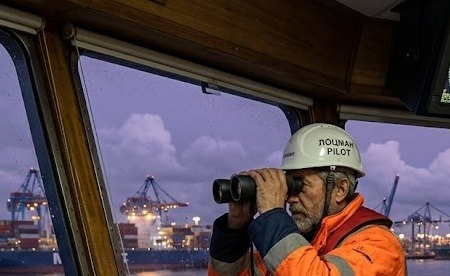
1. Legal Status of the Pilot and Division of Bridge Team Responsibility
Pursuant to IMO Resolution A.285, the presence of a pilot on board has an exclusively advisory role. A pilot does not relieve the Officer of the Watch (OOW) or the Master from their duties and statutory obligations regarding vessel safety.
Key Legal and Operational Principles:
- Advisory Status: In the vast majority of maritime jurisdictions, the pilot acts as an advisor to the Master. Even when a pilot directly gives helm orders or engine commands (exercising the conduct of the vessel), the Master retains ultimate responsibility for the safety of the vessel, crew, and cargo.
- Duties of the Officer of the Watch (OOW): The OOW must cross-check the vessel’s position continuously using all available means (radar ranges, visual bearings, transit marks, echo sounder). Any uncertainty regarding the pilot’s actions or intentions must be challenged and clarified immediately. If doubt persists, the OOW must notify the Master at once and take emergency avoiding action if required.
- Standard Communication Protocol (SMCP): The pilot, bridge personnel, tugs, and Vessel Traffic Services (VTS) must communicate in an agreed common language. If language barriers emerge, the IMO Standard Marine Communication Phrases (IMO SMCP) must be applied without delay.
- Pilot Boarding Ground Limitations: On inbound transit, vessels are not permitted to cross the designated pilot boarding area without a pilot on board. Should the pilot boat be delayed, the vessel must remain in safe waters seaward of the boarding ground.
2. Safety Protocols for Outbound Pilot Disembarkation
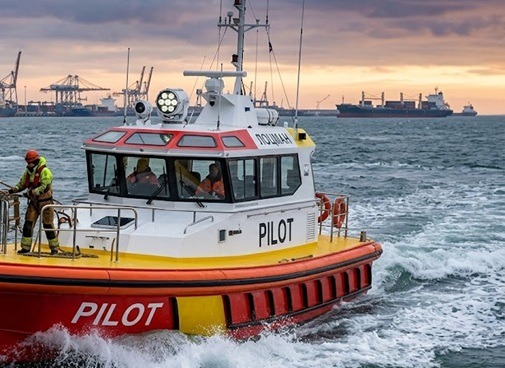
During outbound passage, disembarking the pilot must take place at the agreed, charted pilot station (designated disembarkation point) as agreed during the initial Master/Pilot Exchange (MPX).
If adverse weather conditions or swell make normal disembarkation hazardous, the Master must conduct a thorough risk assessment:
- Traffic density within the fairway.
- Proximity of navigational hazards and remaining Under Keel Clearance (UKC).
- Feasibility of altering heading safely to create a lee for the pilot cutter (to provide lee).
- Safe independent navigation of the vessel after the pilot departs.
Operational Rule: If the Master approves an early disembarkation request from the pilot, compensatory bridge resources (such as an additional navigational officer and a dedicated lookout) must be posted until the vessel is safely clear in deep water.
3. The Master/Pilot Data Exchange (MPX) Procedure & Pilot Card
The Master/Pilot Exchange (MPX) is the foundation of successful bridge integration. Immediately upon boarding, a structured briefing is conducted to review the pilotage passage plan, berthing arrangements, or anchoring intentions.
📌 Download Template: Standard Ship’s Pilot Card
Before starting the transit, the pilot must be presented with an updated Pilot Card and shown the Wheelhouse Poster. Review our in-depth completion guide and download an operational Excel template here:
Critical Information Exchange Matrix (MPX):
| Condition: Vessel Underway (At Sea) | Condition: Vessel Alongside (In Port) |
|---|---|
| Current heading and verified gyro/magnetic error | Vessel position (berth name, bollard marks, coordinates) |
| Speed over ground (SOG) and speed through water (STW) | Traffic situation and planned harbour movements |
| Current Main Engine setting and propulsion status | Engine readiness, thruster availability, propeller details |
| Fore/aft drafts, trim, list, and Air Draft | Berth drafts, list, and air draft restrictions |
| Dynamic Under Keel Clearance (UKC) margins | Depths alongside and minimum fairway depths on departure |
| Equipment defects (steering, radars, ECDIS alerts) | Handling peculiarities, propeller walk, turning limits |
Essential Items for the MPX Checklist:
- Hydrodynamic squat estimates and minimum net UKC along shallow transits.
- ECDIS verification: Safety Depth, Safety Contour, and active chart overlays.
- Limiting conditions: abort thresholds for visibility, wind speed, or swell.
- Tug arrangements: number of tugs, bollard pull capacity, and make-fast procedures.
- Berthing plan: side alongside, mooring line configuration, and approach velocity limits.
Deck Log Entry: The exact completion time of the MPX briefing and transfer of the conn must be entered in the logbook: "Master’s orders and Pilot’s conduct". Should a pilot refuse dialogue, the Master must log the refusal, suspend transit if safe, and request an immediate replacement via port dispatch.
4. Passage Monitoring & Overriding the Pilot
The bridge team must monitor the vessel’s progress using Parallel Indexing, radar plotting (true and relative vectors), and visual reference lines. ECDIS is part of the navigational toolset and must be cross-checked by independent methods.
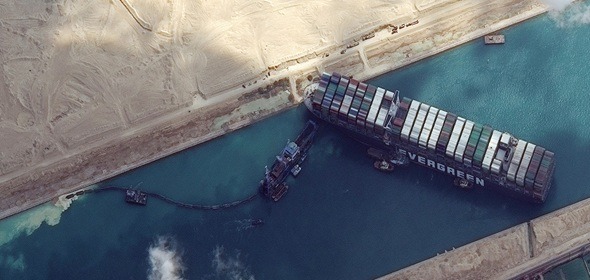
Mandatory Grounds for Overriding the Pilot:
The Master is obligated to take over the conn immediately under the following circumstances:
- The pilot’s actions or orders lead the vessel toward imminent danger (grounding, close-quarters situation, allision).
- Effective communication cannot be established or maintained on the bridge.
- The pilot exhibits sudden incapacitation, erratic behavior, or impairment due to alcohol or controlled substances.
5. Policy on Pilot Use of Bridge Navigation Equipment
For operational ergonomics, a dedicated radar/ARPA display, a VHF station, and an ECDIS unit are allocated for the pilot’s use. The company Safety Management System (SMS) defines clear access boundaries:
✅ Accessible to the Pilot Directly:
- Assigned Radar / ARPA display
- Assigned ECDIS terminal
- Bridge binoculars
- Window wipers and clear-view screens
- VHF radio for tug and port traffic communications
- Pelorus and gyro repeaters
⛔ Operated Only by Ship’s Crew on Pilot’s Order:
- Steering controls / Autopilot settings
- Main Engine telegraph / bridge throttle
- Bow and stern thruster controls
- AIS transponder voyage inputs
- Ship’s whistle (except in extreme emergency)
- Anchor windlass brakes
6. Statutory Pilot Transfer Arrangements (SOLAS V, Reg. 23)
Pilot boarding and disembarkation present high personnel safety risks. Rigging and supervision must be directed on site by a qualified Deck Officer equipped with two-way VHF communication to the bridge.
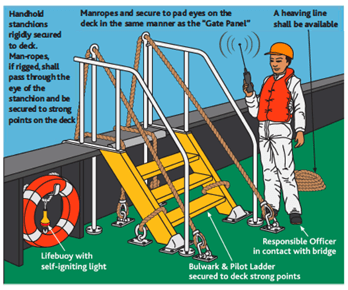
Mandatory Construction & Rigging Requirements:
- Freeboard of 9 meters or less: a single certified pilot ladder must be rigged. The required climb must be between 1.5 and 9 meters above the waterline.
- Freeboard greater than 9 meters: a Combination Arrangement is mandatory: accommodation ladder (leading aft at an angle of 45° or less) combined with a pilot ladder secured 1.5 meters above the lower platform.
- Positioning: on the parallel mid-body of the hull, clear of overboard discharges. Steps must rest firmly and horizontally against the ship’s side plating. The ladder length must account for an adverse list of up to 15°.
- Deck Equipment at Boarding Station: two manropes (28–32 mm diameter), lifebuoy with self-igniting light, heaving line, and adequate deck illumination.
- Prohibition: Mechanical pilot hoists are prohibited under IMO regulations.
7. Navigating the Human Element: Professional Bridge Diplomacy
Working with pilots requires interpersonal tact alongside technical precision. Seagoing experience highlights two challenging behavioral profiles:
1. The “Passenger” Pilot: Boards the vessel and takes a passive stance, repeating: “I am only an advisor here; you steer the ship.” The risk is that the bridge loses access to valuable local insights. The Master must actively engage the pilot with structured questions on currents, crosswinds, and tug usage.
2. The Authoritarian Pilot: Demonstrates an abrasive communication style, interpreting questions from watchkeeping officers as challenges to professional competency. The Master must defuse tension calmly: open disputes on the bridge undermine safety, whereas unchecked mistakes lead to groundings and charter delays.
The Master’s skill lies in maintaining uncompromised command over safety (override readiness) while fostering a respectful partnership with the pilot.
Frequently Asked Questions: Marine Pilotage (FAQ)
Who is legally responsible for navigation while a marine pilot is on board?
Under international maritime law, the Master retains ultimate responsibility for the safety of the vessel, crew, and cargo. The pilot acts in an advisory capacity. Special legal exceptions (such as the Panama Canal) are governed by local statutes, but even there the Master retains authority to intervene to prevent an incident.
When is a combination pilot ladder arrangement required under SOLAS?
Pursuant to SOLAS Regulation V/23, a combination arrangement (accommodation ladder rigged together with a pilot ladder) is mandatory whenever the vertical distance from sea level to the point of vessel access exceeds 9 meters.
What is the purpose of the Master/Pilot Exchange (MPX)?
The MPX is a structured information exchange conducted between the Master and pilot before transit begins. It aligns the passage plan, reviews vessel maneuvering constraints, confirms weather limits, and establishes working protocols with tugs.