
What to Pack for Your First Ship Contract: Practical Field Guide & Packing Checklist
Every year, hundreds of cadets, academy graduates, and first-time ratings (Ordinary Seamen, Wipers, Engine Cadets) set off on their maiden contracts. Packing bags for a months-long journey you have only read about in textbooks is always stressful. We compiled the practical, unvarnished field advice from experienced mariners to help you travel light, safe, and fully prepared.
1. Cabin Baggage: Your Non-Negotiable Survival Kit
The golden rule of international maritime transit: strictly separate your gear into two independent parts — your carry-on backpack that stays with you in the aircraft cabin, and the main suitcase checked into the hold.
Delayed luggage during tight flight connections in Istanbul, Frankfurt, or Doha is an everyday reality. A commercial vessel will not delay its sailing schedule for a delayed suitcase: if your checked baggage is left behind, you will depart on your voyage with whatever you have on your back.
Carry-on luggage MUST contain:
- Original maritime credentials: Passport, Seaman’s Identity Document (SID / Seaman’s Book), Certificate of Competency / Proficiency (CoC / CoP), STCW modular certificates, Yellow Fever vaccination booklet, and valid medical fitness certificate (ENG1 or equivalent). Losing these at an airport aborts your contract instantly.
- Joining documentation: Letter of Guarantee (LoG), official Ship’s Crew List copy, signed employment contract, e-tickets, and 24/7 port agent contacts.
- Valuable electronics: Laptop, external hard drive, smartphone, cables, and a power bank (airlines strictly prohibit lithium power banks in checked luggage!).
- Spare clothing pack for 2–3 days: Spare t-shirts, underwear, socks, compact travel toothbrush and toothpaste (containers under 100 ml).
- Critical prescription medications: If you take daily personal medication, keep it on your person accompanied by an official English doctor’s prescription.
2. Checked Luggage: Practical Gear Without Dead Weight
A classic beginner’s mistake is dragging huge suitcases packed with formal outfits. A ship’s cabin is compact, and you will personally carry your bags across steep gangways, launch boats, and van boots. Basic soap, toilet paper, mess utensils, bed linen, and cabin towels are provided on board.
Life at sea calls for durable, breathable cotton clothing that stands up to heavy-duty industrial shipboard laundry machines.
Shipboard Suitcase Checklist:
- Off-duty cabin wear: 2–3 pairs of sweatpants or athletic shorts, 5–7 comfortable plain cotton t-shirts. Avoid expensive designer clothes — shipboard detergents and heavy cycles can degrade fabrics rapidly.
- Underwear and work socks: Bring plenty of socks (10–12 pairs of thick, high-cotton boot socks). Standing 8–12 hour watches inside steel-toe boots wearing cheap synthetic thin socks causes painful blisters and fungal infections.
- Thermal base layers: Even if you sign on in sunny Singapore, charter orders can divert the vessel towards North China, Canada, or winter North Atlantic runs. A quality thermal underwear set, fleece jacket, and windproof watch cap (beanie) are indispensable.
- Headwear: Baseball caps and sun hats get blown off by wind gusts on the bridge wing or forecastle head. Solid bandanas or multipurpose neck gaiters (buffs) are ideal: they secure hair, prevent neck sunburn, and shield against rust dust during deck chipping.
- Footwear categories:
- Cabin & shower: Closed-heel rubber slippers or Crocs (backless flip-flops and slides are strictly banned by safety management systems on most fleets).
- Bridge / ECR watchkeeping: Lightweight closed leather shoes, moccasins, or dark non-marking deck trainers. Showing up for navigational watch in slippers is a major breach of bridge etiquette.
- Personal grooming kit: 2 toothbrushes, toothpaste, deodorant roll-on (aerosol cans can trigger airport security inspections), shaving razor and foam, nail clippers. The ship’s bonded store (Slop Chest) carries basics, but stock can be depleted during long voyages.
3. Workwear (PPE) and Safety Footwear Reality
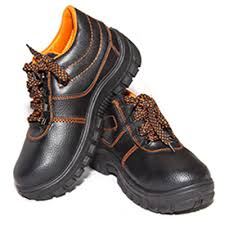
Under the Maritime Labour Convention (MLC) and company safety rules, boiler suits (coveralls), hard hats, safety glasses, gloves, and steel-toe safety boots are supplied on board. However, rookie crew members frequently face sizing shortages: common boot sizes (EU 42–44 / US 9–10.5) run out fast, leaving you with oversized or undersized pairs.
Seafarer Pro Tip: If possible, contact the crew on board ahead of time to verify safety boot availability in your size. If uncertain, invest in your own comfortable, certified safety footwear (EN ISO 20345 / S3 standard) and retain the purchase receipt. Once aboard, Masters can often reimburse the expense through the shipboard safety allowance account.
4. Personal First Aid Kit & Drug Screening Precautions
Every merchant vessel maintains a certified ship hospital managed by the designated Medical Care Officer (typically the Second Mate), stocked in compliance with WHO MFAG guidelines. However, waking an officer in the middle of the night for a basic antacid or headache tablet is bad form. Keep a compact personal first-aid pouch:
- Standard pain relievers and antipyretics (Ibuprofen, Paracetamol).
- Digestive aids: activated charcoal, antacid tablets, rehydration salts, Loperamide.
- Blister plasters (pack plenty) and skin repair antiseptic cream (Bepanthen / Sudocrem).
- Antiseptic ear drops: engine room blowers, drafts, and climate control air cause ear discomfort easily.
In ports across the US, Australia, Europe, and the Middle East, crews face unannounced drug and alcohol screening. Strictly avoid medications containing codeine, phenobarbital (Corvalol, Valocordin), pseudoephedrine, or over-the-counter flu cold powders containing stimulants that can trigger false-positive amphetamine readings. Every single medicine you bring aboard must be officially declared on the medical declaration sheet upon joining!
5. Electronics, Study Resources & Sea Routine
While Low-Earth Orbit satellite terminals like Starlink are increasingly common across merchant fleets, never rely on unrestricted high-speed internet in your cabin: bandwidth is often rationed, and connections can drop or be shut down during delicate port maneuvers.
- External hard drive (1–2 TB): Load it with TV series, films, e-books, and offline music. Sharing fresh media releases with shipmates is an instant way to break the ice during your first off-duty days.
- Digital technical publications: Carrying heavy paper textbooks is obsolete. Keep digital copies of SOLAS, MARPOL, COLREGs-72, and seamanship manuals on your laptop. Rely on the digital reference tools at NavLib.net for quick access.
- Universal plug adapters: Vessel cabins can be fitted with British (Type G), US (Type A/B), or European Schuko sockets depending on the shipyard. A universal multi-adapter saves you from dead batteries.
- Reliable standalone alarm clock: Phones can drain overnight or glitch when the vessel adjusts ship clocks across time zones. Sleeping through watch handover is the worst start to a career.
💡 Maritime Etiquette: Bring a specialty treat from your hometown — quality chocolate, tea, or local sweets. Sharing a snack in the messroom creates instant rapport in a multinational crew. Alcohol is strictly forbidden under the zero-tolerance policy enforced on 99% of modern commercial vessels.
6. Final Pre-Departure Checklist
- Photograph every single page of your passport, seaman’s book, certificates, and medical fitness forms; keep offline copies saved on your phone and cloud drive.
- Verify that you carry two physical copies of your signed contract and Letter of Guarantee.
- Save the port agent’s direct mobile phone number, port office address, and the company DPA 24/7 hotline both on your phone and on a paper memo in your wallet.
- Weigh your baggage at home to ensure it matches your marine airfare allowance (typically 20–23 kg per standard baggage piece for Seaman Tickets).